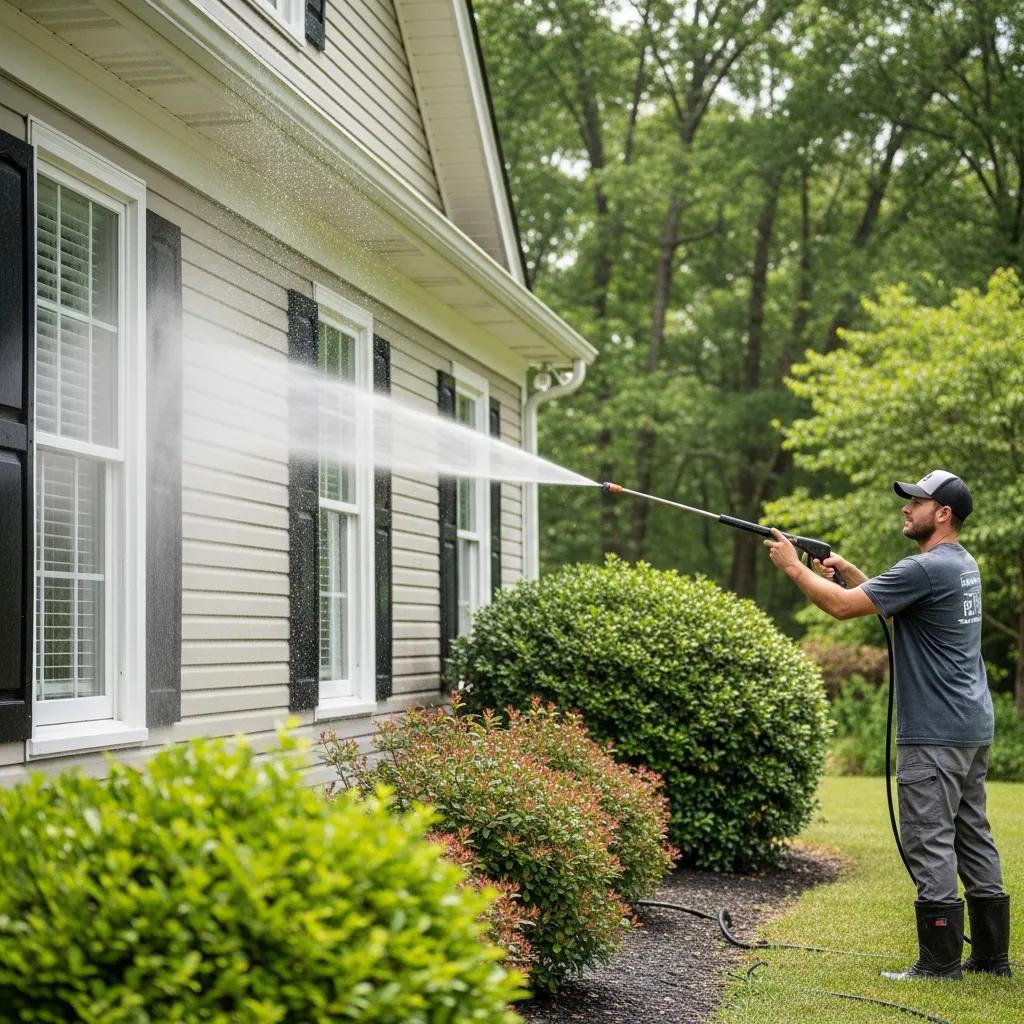
House Washing vs Pressure Washing: What’s the Difference?
House Washing vs Pressure Washing: What Charleston WV Homeowners Need to Know for Effective Exterior Cleaning
If you’re a homeowner in Charleston, WV, you’ve probably heard the terms “house washing” and “pressure washing” tossed around when it comes to cleaning your home’s exterior. But what’s the real difference? And which one is right for your house? Understanding these two methods can save you time, money, and even prevent damage to your home’s surfaces.
Both house washing and pressure washing are great for keeping your home looking fresh and clean, but they work in very different ways and are suited for different types of surfaces. This guide will walk you through the key differences, what works best for Charleston’s climate, and how to pick the right service for your home.
What’s the Difference Between House Washing and Pressure Washing?
At a glance, both methods clean your home’s exterior, but the way they do it couldn’t be more different.
How House Washing Works
House washing, often called soft washing, uses a gentle spray of low-pressure water combined with special cleaning solutions. It’s designed to remove mold, mildew, algae, and other organic stains without harming delicate surfaces like wood, vinyl siding, or painted finishes. This method is all about protecting your home’s materials while giving it a thorough clean.
According to the Environmental Protection Agency (EPA), using biodegradable cleaning agents in soft washing helps reduce environmental impact while effectively eliminating biological growth. Studies show that soft washing can reduce the risk of surface damage by up to 90% compared to traditional pressure washing methods.
For more details on this gentle approach, check out house washing services.
How Pressure Washing Works
Pressure washing, on the other hand, blasts away dirt and grime with high-pressure water jets. It’s perfect for tough surfaces like concrete, brick, and stone where stubborn stains and heavy buildup need a more powerful clean. But be careful—using too much pressure on softer materials can cause damage.
The U.S. Department of Energy notes that pressure washing can remove up to 99% of dirt and contaminants from hard surfaces when used correctly, making it an effective method for deep cleaning. However, improper use can lead to surface etching or paint removal.
Learn more about this powerful cleaning method at pressure washing services.
Which Surfaces Should You Use Each Method On?
Choosing the right cleaning method depends a lot on what your home’s exterior is made of.
House Washing (Soft Washing): Best for wood, vinyl siding, painted surfaces, and other delicate materials that could be damaged by high pressure.
Pressure Washing: Ideal for hard, durable surfaces like concrete driveways, brick walls, patios, and stone where heavy dirt and stains build up.
Always check your surface type before deciding on a cleaning method to avoid costly damage.
Why Charleston’s Climate Makes a Difference
Charleston’s humid subtropical climate means mold, mildew, and algae love to grow on exterior surfaces. With an average humidity around 70%, it’s no surprise that regular cleaning is essential to keep your home looking its best.
The Centers for Disease Control and Prevention (CDC) highlights that mold growth is accelerated in humid environments, which can lead to health issues and structural damage if not addressed. House washing is especially effective here because it targets biological growth gently but thoroughly, helping prevent regrowth. Timing your cleaning around seasonal weather can also make a big difference in how long your home stays clean.
Soft Washing: The Gentle Giant of Exterior Cleaning

Soft washing is a popular technique within house washing that combines low-pressure water with biodegradable cleaning agents. It’s designed to safely remove mold, mildew, and algae without stripping paint or damaging siding. This method is highly recommended for delicate surfaces and is known to reduce the risk of damage by up to 90% compared to traditional pressure washing.
According to a 2022 industry report by the Power Washers of North America (PWNA), homes treated with soft washing showed a 40% longer interval before needing re-cleaning compared to those cleaned with pressure washing alone.
Find out more about this safe and effective method at soft washing services.
Pressure Washing: When You Need a Deep Clean

Pressure washing uses water pressure between 1,500 and 4,000 PSI to blast away dirt, grime, and stains. It’s perfect for concrete driveways, brick patios, and stone surfaces that can handle the force. Using the right pressure and nozzle is key to getting the job done without causing damage.
The International Cleaning Association (ICA) recommends pressure settings based on surface type to optimize cleaning efficiency while minimizing risk. For example, concrete can typically withstand pressures up to 3,000 PSI, whereas wood siding should not exceed 500 PSI.
For a powerful clean that’s done right, visit pressure washing services.
Pros and Cons: Which Method Is Best for Your Home?
House Washing Pros: Gentle on surfaces, great for removing mold and algae, eco-friendly cleaning agents, and safer for painted finishes.
House Washing Cons: Not as effective on heavy grime or tough stains on hard surfaces.
Pressure Washing Pros: Excellent for tough stains and heavy dirt on durable surfaces like concrete and brick.
Pressure Washing Cons: Can damage softer materials if not used carefully, and may strip paint or dent siding.
How Often Should You Clean Your Home’s Exterior?
In Charleston’s humid climate, house washing every one to two years is a good rule of thumb to keep mold and mildew at bay. Pressure washing frequency depends on how much traffic and dirt your hard surfaces get—driveways and patios might need it once a year or as needed.
The National Association of Home Builders (NAHB) suggests that regular exterior cleaning not only maintains curb appeal but can also extend the lifespan of siding and paint by preventing biological and environmental damage.
Choosing the Right Cleaning Service in Charleston, WV
Picking the right company can make all the difference. Here are some tips:
Experience: Look for companies skilled in both house washing and pressure washing.
Services: Make sure they offer the specific cleaning method your home needs.
Reviews: Check customer feedback to find trustworthy providers.
Credentials: Verify they’re licensed and insured for your peace of mind.
For trusted local experts, consider reaching out via Pressure Washing WV’s contact page.
FAQs
1. What are the main benefits of house washing compared to pressure washing?
House washing is gentler and better for delicate surfaces, removing mold and mildew without damage. Pressure washing is stronger and better for tough stains on hard surfaces but can harm softer materials if not done properly.
2. How often should I have my home washed?
In Charleston, house washing every 1-2 years is recommended to prevent biological buildup. Pressure washing depends on surface type and dirt levels, often once a year for driveways and patios.
3. Can I do house washing or pressure washing myself?
While DIY is possible, professionals have the right equipment and know-how to avoid damage and get better results, especially for larger or more delicate jobs.
4. What should I look for in a cleaning service?
Choose a company with experience, good reviews, clear pricing, and proper licensing and insurance.
5. How does Charleston’s climate affect cleaning?
The humid climate encourages mold and algae growth, making regular house washing important to keep your home clean and healthy.
Conclusion
Deciding between house washing and pressure washing comes down to your home’s materials, the type of dirt or stains you’re dealing with, and Charleston’s unique climate. Soft washing is the safer bet for delicate surfaces and biological stains, while pressure washing is your go-to for tough grime on hard surfaces. Use this guide to make an informed choice and consider hiring local pros who understand Charleston homes and weather. Keeping your home clean not only boosts curb appeal but also protects your investment for years to come.
