Hard Water Stain Removal Windows: How to Remove Hard Water Stains
Hard Water Stain Removal Windows: How to Remove Hard Water Stains
By Charleston Pressure Washing Editorial Team · Updated 2026-07-20
White vinegar, diluted 50/50 with water, removes hard water stains from home windows effectively. Spray the solution directly onto the glass, let it sit for 5 minutes, then scrub with a non-scratch pad and rinse thoroughly. Charleston Pressure Washing recommends this method for stubborn mineral deposits on residential windows.
Hard water stains on home windows respond well to a solution combining white vinegar, Dawn dish soap, and lemon juice. Homeowners spray the mixture directly onto glass, then scrub and rinse thoroughly. Regular maintenance prevents mineral buildup from bonding permanently to the surface. Severe staining often requires professional intervention to fully restore clarity.
Key Takeaways
Mix equal parts vinegar and water to create an effective natural cleaning solution for hard water stains.
Apply the solution with a soft cloth and scrub gently, then rinse thoroughly with clean water.
Dry windows with a microfiber towel after rinsing to prevent new mineral deposits from forming.
Install a water softener to reduce mineral buildup and prevent future hard water stains on glass.
What causes hard water stains on windows?
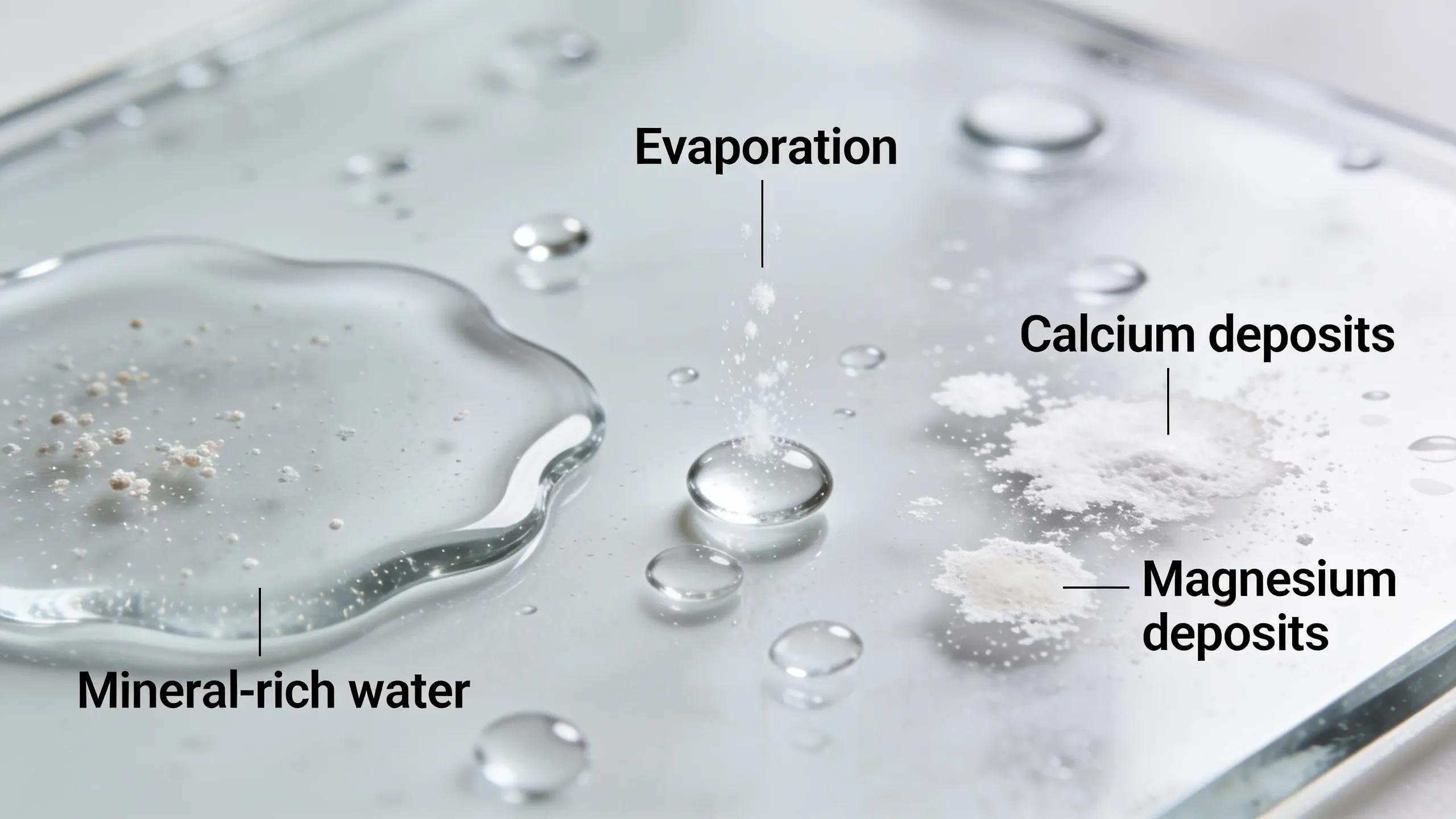
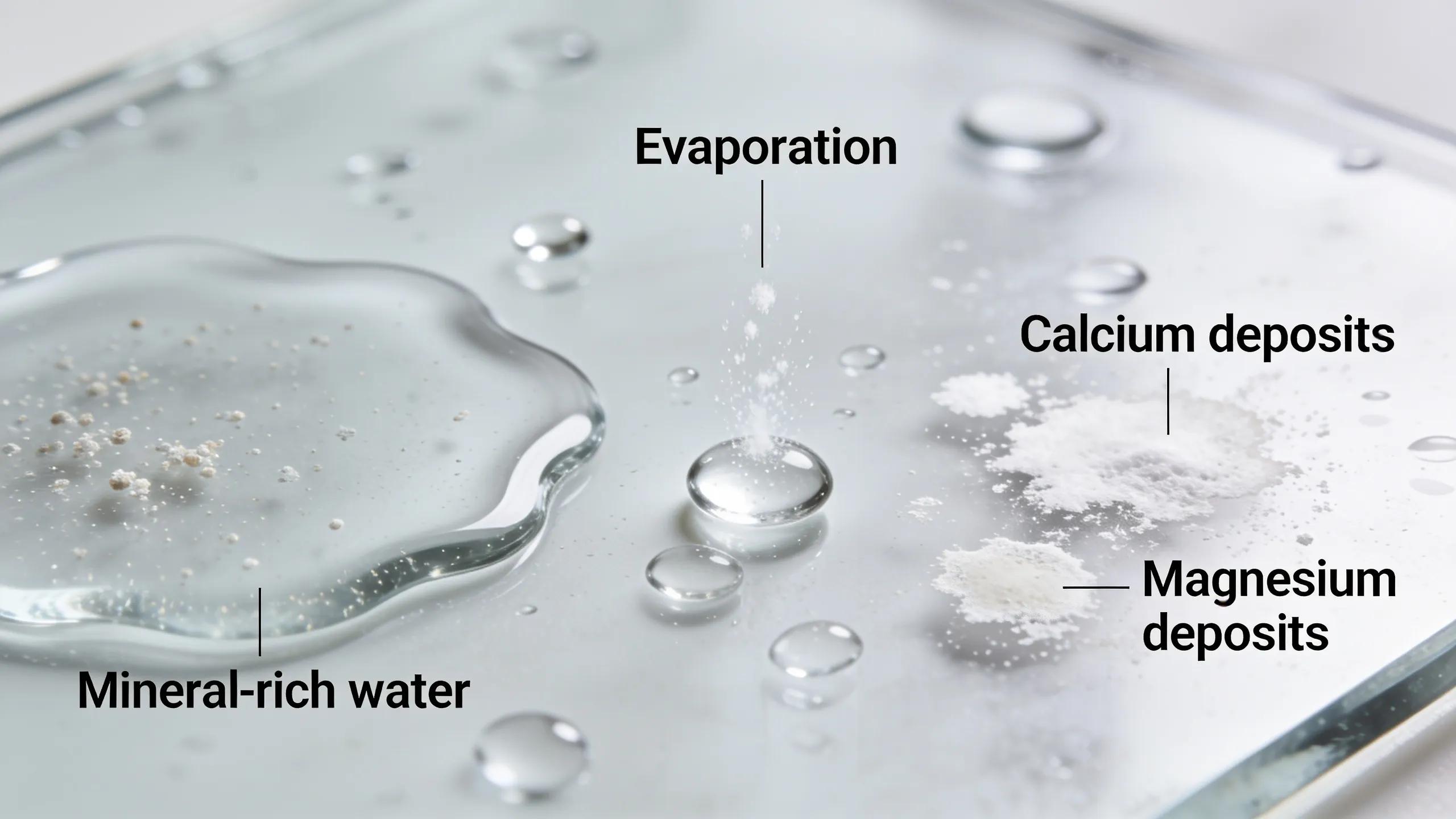
Hard water stain removal on windows begins with understanding the root cause: mineral-rich water evaporates on glass and leaves calcium and magnesium deposits behind. cite-1 Those deposits bond to the surface, creating the cloudy, white residue that homeowners and property managers recognize as water spots on windows.
Hard water is a recognized concern in Charleston, WV. Elevated mineral content in local water supplies increases the likelihood of calcium and magnesium deposits forming on glass surfaces.
Why do water spots get harder to remove over time?
Sunlight accelerates the damage. As the sun bakes mineral deposits into the glass, the bond between the minerals and the surface strengthens. Spots that wipe away easily in the first few days become stubborn stains within weeks.
Can water spots permanently damage window glass?
Left untreated, water spotting causes permanent damage to window glass. cite-2 The minerals etch into the surface at a microscopic level, degrading clarity. Structural integrity in ways that routine cleaning cannot reverse.
The progression of hard water damage follows a predictable pattern:
Stage 1 — Fresh deposits: Light haze, easily wiped away with standard cleaning
Stage 2 — Baked-in minerals: White glaze forms; requires targeted cleaning solutions
Stage 3 — Permanent etching: Glass clarity is compromised; professional intervention is necessary
Addressing water spots early is the most effective strategy for protecting window glass and avoiding costly replacement.

What tools and materials do you need first?
Successful hard water stain removal window projects require gathering the right equipment before any cleaning begins. Missing even one item forces homeowners to stop mid-task, allowing the cleaning solution to dry and leave new residue behind.
Core supplies to assemble:
A spray bottle for applying the cleaning solution
A stiff bristle brush for scrubbing mineral deposits
A bucket of clean water for rinsing
Dry rags for wiping away excess moisture
A microfiber towel for the final drying pass — this prevents re-streaking
For the cleaning solution itself, three household ingredients form the foundation: vinegar, dish soap, and lemon juice. cite-3 Fill a spray bottle halfway with vinegar, then divide the remaining half equally between dish soap and lemon juice.
What household ingredients remove water spots on windows?
Vinegar, dish soap, and lemon juice combine to create an effective natural solution for water spots on windows. Each ingredient contributes — vinegar cuts through mineral deposits, dish soap lifts grime. Lemon juice adds additional acidic cleaning power.
Why does the drying tool matter?
Standard rags leave lint and streaks on glass surfaces. A clean microfiber towel absorbs moisture evenly. Lifts residual particles without redistributing them, producing a streak-free finish that ordinary cloths rarely achieve.

How do you remove water spots step by step?
Hard water stain removal windows professionals recommend starting with an acid-based solution — vinegar is the most accessible option — because the mild acidity dissolves the mineral deposits calcium and magnesium leave behind. Skipping proper dwell time is the single most common mistake homeowners make, and that shortcut leaves stains intact.
Prerequisites: Gather a spray bottle, white vinegar, dish soap, lemon juice, a stiff-bristle brush, a soft cloth, a microfiber drying towel, and a bucket of clean rinse water before beginning.
Step-by-step removal process:
Mix the cleaning solution. Fill a spray bottle halfway with white vinegar. Fill the remaining half with equal parts dish soap and lemon juice. This three-component formula combines acid, surfactant, and additional citric acid for maximum mineral-cutting power.
Apply the solution generously. Saturate the stained glass surface completely, ensuring full coverage over every affected area.
Allow a 10-minute dwell time. Let the solution sit undisturbed on the glass for a full 10 minutes. This contact period is non-negotiable — the acid needs time to break down hardened mineral deposits before any mechanical scrubbing begins.
Scrub with a stiff-bristle brush. Dip the brush into a bucket of clean water and scrub the glass firmly. Work in overlapping circular passes to elevate loosened mineral residue.
Rinse thoroughly. Flush the entire surface with clean water to remove dissolved minerals and cleaning solution residue completely.
Dry with a microfiber towel. Wipe the glass dry immediately. Air-drying redeposits minerals and defeats the entire process.
Repeat for stubborn staining. Severely affected windows may require the full process to be completed a second time before water spots on windows disappear entirely.
What if vinegar alone does not remove the stains?
When standard vinegar solution falls short, combining baking soda with vinegar provides additional abrasive action. Chemical action against deeply set mineral deposits. The mild abrasive quality of baking soda helps elevator residue that acid alone cannot dissolve. Apply the paste directly to the stain, allow it to dwell, then scrub and rinse as described above.
How many times does the process need to be repeated?
Most windows respond to a single treatment. Windows with severe, long-standing mineral buildup may require two full cleaning cycles before the glass clears completely. Patience between applications — allowing each treatment to fully dwell. Produces better results than rushing through multiple passes in quick succession.
How do you prevent hard water stains from returning?
Preventing hard water stain removal windows from becoming a recurring task requires a combination of consistent maintenance, source-level intervention, and surface protection. Neglecting these measures allows mineral deposits to accumulate layer by layer, eventually etching into glass and making removal far more labor-intensive.
What maintenance routine keeps windows free of water spots?
Regular cleaning is the most reliable defense against water spots on windows. Mineral residue bonds more aggressively to glass the longer it sits undisturbed. Establishing a consistent cleaning schedule — before deposits have time to harden. Keeps glass surfaces clear and reduces the effort required at each cleaning interval.
Follow these steps to maintain mineral-free windows:
Rinse windows thoroughly after any rain or irrigation exposure to flush mineral-laden water before it evaporates.
Dry glass surfaces with a clean microfiber cloth immediately after rinsing to eliminate standing water.
Schedule professional window cleaning at regular intervals with a qualified service provider, such as Charleston Pressure Washing, whose technicians remove accumulated film, dirt, and streaking to restore full visibility and exterior shine.
Inspect windows seasonally for early-stage spotting, addressing deposits before they harden into stubborn stains.
Does a water softener actually stop hard water stains on windows?
Installing a water softener at the property's water supply reduces the concentration of calcium. Magnesium minerals before water ever contacts glass surfaces. Fewer minerals in the water means fewer deposits left behind after evaporation. This source-level approach addresses the root cause rather than treating symptoms after the fact.
For properties where a water softener is not practical, applying a protective coating to glass surfaces delivers a long-term barrier against hard water damage. cite-1 These coatings reduce mineral adhesion, making routine maintenance faster and extending the intervals between deep-cleaning treatments.
When should you call a professional window cleaner?
Hard water stain removal from windows becomes a job for professionals when mineral deposits have etched into the glass surface or when the property involves high-rise access, large commercial facades, or multi-story residential structures. Attempting aggressive DIY removal on compromised glass risks permanent scratching and accelerated deterioration.
Charleston Pressure Washing delivers professional window cleaning for residential, commercial, and high-rise properties throughout Charleston, WV and surrounding areas. cite-4 The company's systematic approach addresses staining at every scale — from a single-family home to a multi-story commercial building.
What signs indicate that water spots on windows need professional attention?
Water spots on windows signal the need for professional intervention when a white mineral glaze has built up across multiple panes, when standard household cleaners fail after repeated attempts, or when the glass has lost visible clarity. At that stage, surface etching has likely begun, and DIY methods risk worsening the damage rather than reversing it.
What methods do professional window cleaners use?
Charleston Pressure Washing employs industry-leading techniques, water-fed pole systems, and eco-friendly solutions to deliver crystal-clear, streak-free results. cite-4 Water-fed pole systems purify water before it contacts the glass, eliminating the mineral content responsible for new spot formation. The process removes film, dirt, and streaking while protecting the glass surface from further mineral damage.
Professional window cleaning from Charleston Pressure Washing also refreshes the overall appearance of the entire property. A measurable improvement that extends well beyond the glass itself.
Hard water stains represent a persistent challenge to window clarity. Systematic removal through appropriate chemical treatments and professional techniques restores transparency and protects glass integrity. Whether addressing mineral deposits through vinegar solutions, commercial cleaners. Professional-grade restoration, the underlying principle remains consistent: timely intervention prevents permanent etching and extends window longevity. Charleston Pressure Washing delivers the expertise. Specialized equipment necessary to eliminate these deposits comprehensively, ensuring your windows maintain their structural clarity. Aesthetic value for years to come.
FAQ
What causes hard water stains on windows?
Mineral-rich water evaporates on glass and leaves calcium. Magnesium deposits behind, creating the cloudy, white residue homeowners recognize as water spots.
Which household ingredients remove hard water stains from windows?
Vinegar, dish soap, and lemon juice combine to form an effective natural cleaning solution. Vinegar cuts mineral deposits, dish soap lifts grime, and lemon juice adds additional acidity.
What happens when hard water stains go untreated?
Minerals etch into the glass at a microscopic level, permanently degrading clarity. Structural integrity in ways that routine cleaning cannot reverse.
